As of the 23rd May 2022 this website is archived and will receive no further updates.
understandinguncertainty.org was produced by the Winton programme for the public understanding of risk based in the Statistical Laboratory in the University of Cambridge. The aim was to help improve the way that uncertainty and risk are discussed in society, and show how probability and statistics can be both useful and entertaining.
Many of the animations were produced using Flash and will no longer work.


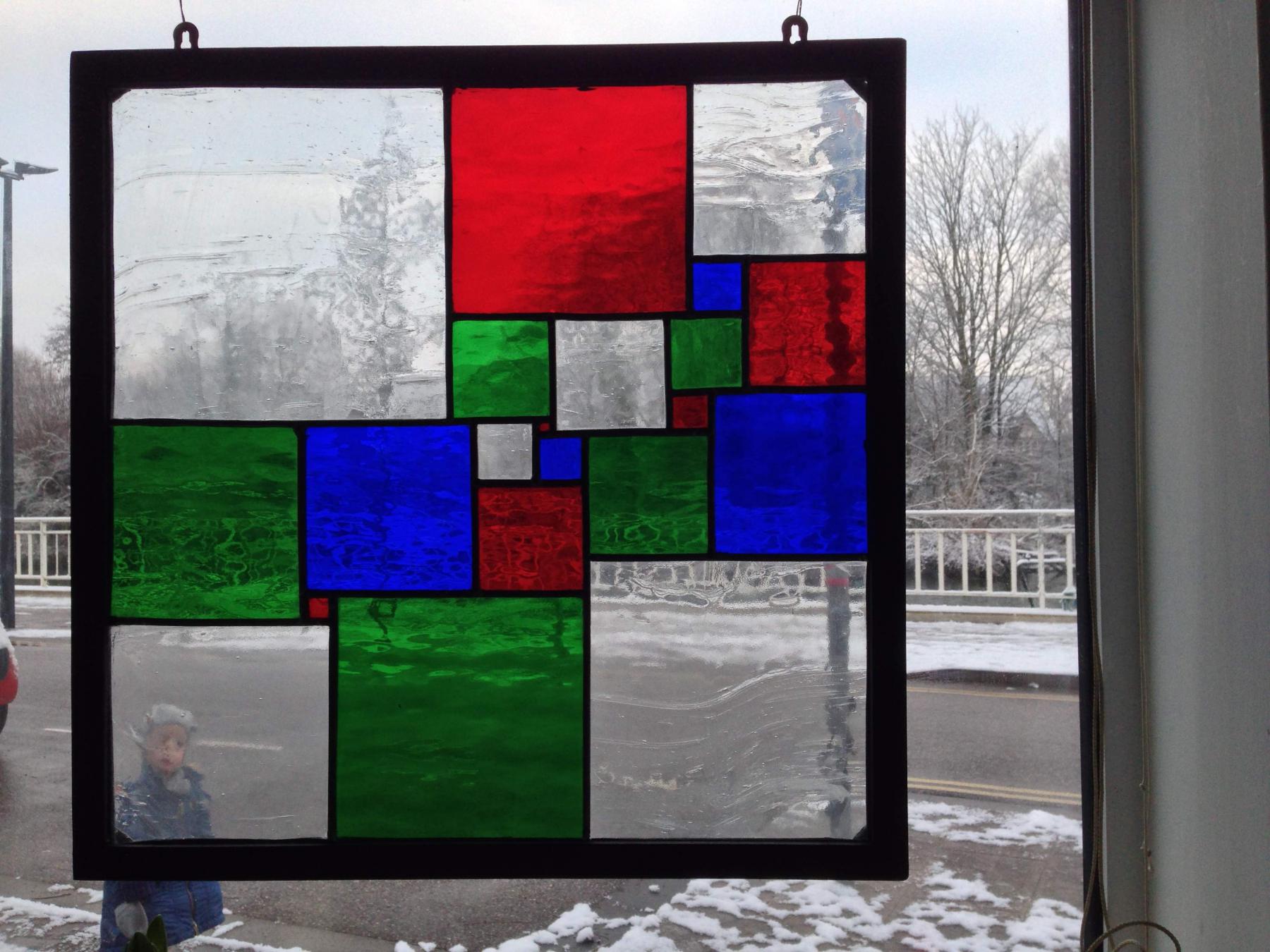
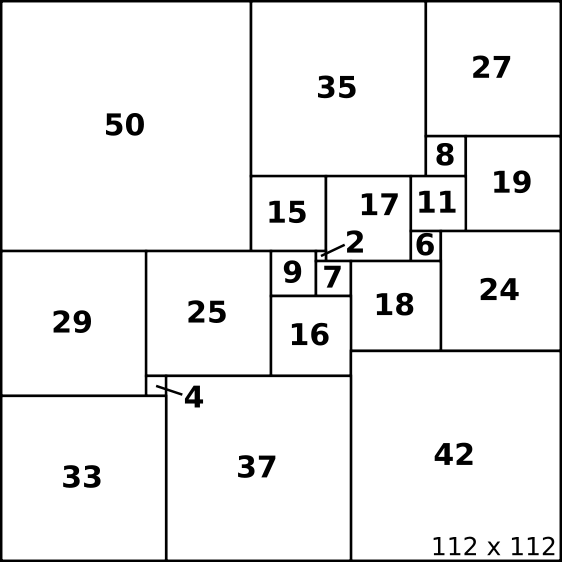
 This was the question I asked myself several years ago when making the decision to play the nation's favourite flutter on a regular basis. I couldn't improve the chances of my chosen numbers being selected but could I give myself a better chance of not sharing my winnings if my numbers were selected? The numbers which come out of the machine are random, but the numbers which people choose are not random (unless selected using the Lucky Dip option).
 The government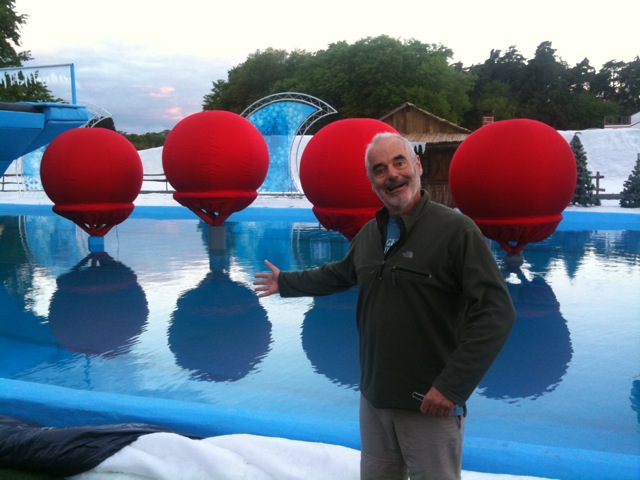


 A visualisation of the Cochrane Summary of Findings table for adjuvant radiotherapy after surgery for cervical cancer.
 Your medical chart: it's hard to access, impossible to read -- and full of information that could make you healthier if you just knew how to use it. At
  Past experience and probability theory can be used to check the odds of your football team winning or judge the risks of activities such as riding motorcycles, taking illegal drugs, going into hospital or just living. Things get more difficult when we don't fully understand what is going on, like early on in the swine flu epidemic, or when we are dealing with huge complexity, as in climate change. Then it can be helpful to admit what we don't know.
 David giving a 'Do Lecture'. As the Do Lectures site explains, "The idea is a simple one. That people who Do things, can inspire the rest of us to go and Do things too. So each year, a set of people are invited to come and tell us what they Do."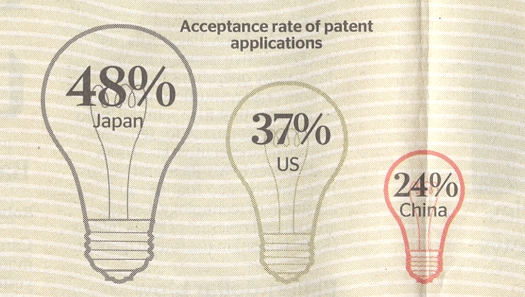
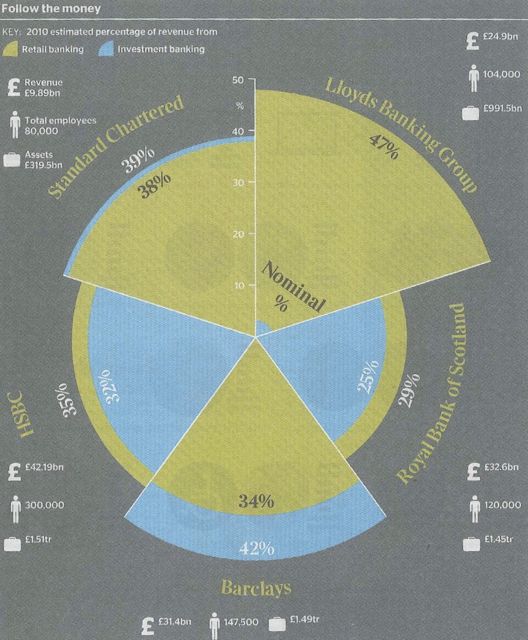
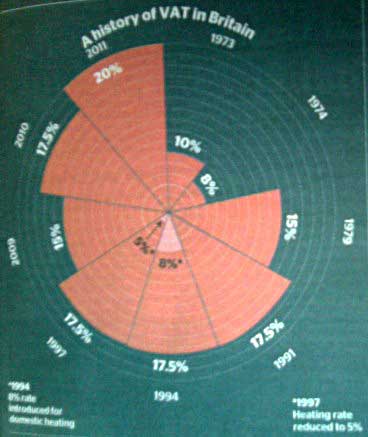 We may already have a winner for the 'Worst info graphic of 2011 award' with this panel which appeared in the Times yesterday (Jan 4th).
  This article is based on a talk I gave at the recent
  This is really a quincunx made to look like lightning for a bit of fun. The lightning has to make 20 left or right choices on its way to the ground. If the stick man stays put he has a 1 in $2^{20}$ chance of being struck on each flash. That's roughly one micromort. As the strikes hit the ground the number of hits in each place appears as a bar chart.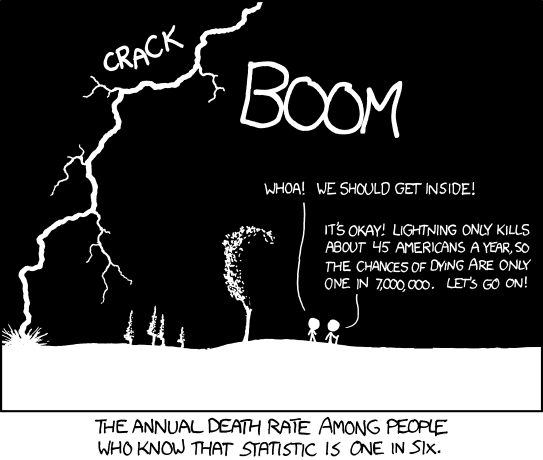
 How do companies prepare for the financial impact of natural catastrophes? How can they possibly have an idea of what the potential cost can be for events that haven't yet happened? Shane Latchman explains the way companies in the insurance industry are using catastrophe models to help make sense of a very uncertain future...
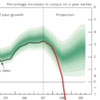 The Darwin College lecture series this year is on the subject of Risk. The lectures are being filmed and are accessible either
 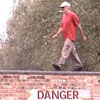 David Spiegelhalter's proper title is Professor of the Public Understanding of Risk. He is in two minds (literally) about playing it safe or chucking caution to the wind. Decisions, decisions!? Are bacon sandwiches really that dangerous and is it wise to drive when you love cycling? David shows us how to use statistics to face up to life's major risks.
 The Human Fertilisation and Embryology Authority (HFEA) recently launched their ‘
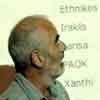 In this video David Spiegelhalter talks about uncertainty in major league football. How much is a team's league position due to luck and how much is due to skill?
  Artist Chris Jordan shows us an arresting view of what Western culture looks like. His supersized images picture some almost unimaginable statistics -- like the astonishing number of paper cups we use every single day.
